
The Difference Between a Visa & a Passport That You Must Know
- account_circle admin
- calendar_month 12/02/2026
- visibility 76
- comment 0 komentar
- label info Tips Traveler
Gili Visa Guide: The Difference Between a Visa and a Passport That You Must Know
If you are planning to travel abroad — whether for vacation, business, study, or work — there are two essential documents you must prepare: a passport and a visa. These documents are mandatory for international travel. Without them, immigration officers can deny your entry into your destination country.
However, many travelers still confuse the difference between a visa vs passport. Some even think they are the same document. At Gili Visa, we often receive questions about this topic. That’s why we’ve created this complete guide to help you clearly understand the difference between a visa and a passport, how they function, who issues them, and how to apply.
Understanding these differences will help you avoid immigration problems and ensure smooth international travel.
1. Difference in Physical Form
One of the most obvious differences between a passport and a visa lies in their physical appearance.
What Is a Passport?
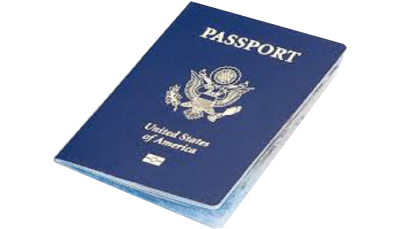
A passport is a small booklet issued by your home country’s government. For Indonesian citizens, passports are issued by the Directorate General of Immigration, Ministry of Law and Human Rights.
A passport contains:
- Full name
- Date and place of birth
- Nationality
- Passport number
- Photograph
- Signature
- Expiry date
Think of a passport as your international identity card. It proves your citizenship when you are abroad. Without a valid passport, you cannot travel internationally.
What Is a Visa?
A visa, on the other hand, is permission granted by the destination country allowing you to enter their territory legally.
Traditionally, visas appear as:
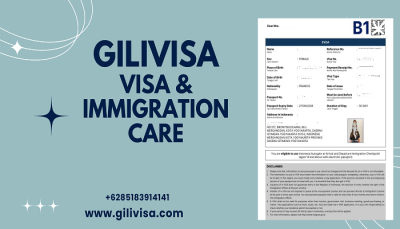
A sticker with hologram security features, attached inside your passport An official immigration stamp
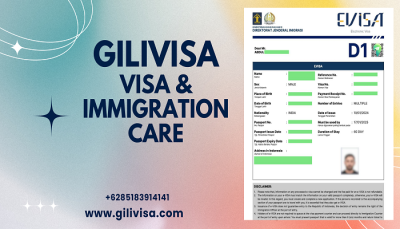
Today, with technological advancements, many countries issue digital visas (e-Visa). These are sent via email as a soft copy. Travelers must print the document and carry it along with their passport.
For example, Indonesia offers e-VOA (Electronic Visa on Arrival) through the official immigration website. This online visa system makes the application process faster and more convenient.
So in simple terms:
- Passport = Travel Identification Document
- Visa = Entry Permission from Another Country
2. Difference in Function and Use
Another important distinction is how each document is used.
- Passport Function
- A passport functions as:
- Proof of nationality
- Identification while abroad
- Official travel document for international movement
When you are overseas — whether studying in Australia, vacationing in Europe, or doing business in Singapore — your passport acts like your KTP (ID card) internationally.
Without a passport, airlines will not allow you to board international flights.
Visa Function
- A visa serves a different purpose. It indicates that:
- The destination country has reviewed your application
- You are approved to enter their country
- Your visit is legal
- Without a required visa, immigration officers may:
- Deny your entry
- Deport you
- Blacklist you from future visits
Visas exist to maintain a country’s security, control immigration flow, and regulate the purpose of entry (tourism, work, study, business, etc.).
However, some countries have visa-free agreements due to strong diplomatic relations. In such cases, travelers can enter without applying for a visa beforehand.
3. Difference in Issuing Authority
Who issues these documents?
- Passport Issuing Authority
- A passport is issued by your own country’s government.
For example:
- Indonesian passports → Issued by Indonesian Immigration
- U.S. passports → Issued by the U.S. Department of State
- UK passports → Issued by His Majesty’s Passport Office
You can only obtain a passport from your country of citizenship.
Visa Issuing Authority
A visa is issued by:
- The embassy or consulate of the destination country Or through an official immigration online system
For example:
- If Indonesians want to travel to Japan, the visa is issued by the Japanese Embassy.
- Foreign nationals wanting to visit Indonesia can apply via Indonesia’s immigration website.
This is a key difference many travelers overlook.
4. Difference in Application Process
The process of applying for a passport and a visa is also very different.
How to Apply for a Passport
- Applying for a passport is generally straightforward.
- Required documents typically include:
- National ID Card (KTP)
- Family Card (KK)
- Birth Certificate / Diploma / Marriage Certificate
- Court decision (if changing name)
- The applicant visits the immigration office, submits documents, takes biometric data, and waits for processing.
- Processing time is usually several working days.
How to Apply for a Visa
Visa applications tend to be more complex because the destination country needs to evaluate your eligibility.
Common visa requirements include:
- Valid passport
- Bank statements
- Flight tickets
- Accommodation proof
- Invitation letter (if applicable)
- Travel insurance
- Some visas require interviews at the embassy.
Alternatively, many countries now offer:
- e-Visa
- e-VOA
Visa on Arrival
For Indonesia, foreign nationals can apply online through the official immigration portal.
5. Why Understanding the Difference Matters
Knowing the difference between a visa and a passport helps you:
- Avoid immigration rejection
- Prepare correct documents before travel
- Prevent travel delays
- Understand visa-free policies
- Plan international trips smoothly
Many travelers mistakenly assume having a passport automatically allows entry to any country. This is incorrect. A passport allows you to leave your country, but a visa (if required) allows you to enter another country.
6. Practical Example for Travelers
Let’s say you are an Indonesian citizen traveling to South Korea.
You will need:
- A valid Indonesian passport
- A South Korean visa (unless visa-free policy applies)
- Without the visa, even with a valid passport, you may not be allowed entry.
Meanwhile, if you are a Singaporean traveling to Indonesia under visa-free policy, you only need a passport because Indonesia grants visa exemption for short visits.
7. Digital Transformation: The Rise of e-Visa
Modern immigration systems now use digital platforms.
Advantages of e-Visa:
- Faster processing
- Online application
- Less paperwork
- Reduced embassy visits
Indonesia’s e-VOA system is one example of how digital visas simplify travel.
Travelers should always use official government websites to avoid fraud.
Gili Visa Recommendation for Travelers
At Gili Visa, we recommend:
✔ Always check visa requirements before booking flights
✔ Ensure passport validity is at least 6 months
✔ Confirm visa-free eligibility
✔ Apply for e-Visa early to avoid delays
Proper preparation makes international travel smoother, safer, and stress-free.
Conclusion: Visa vs Passport — Know Before You Go
To summarize:
- A passport is your international identity document issued by your home country.
- A visa is permission from another country allowing you to enter legally.
- They serve different functions.
- They are issued by different authorities.
- They require different application processes.
Understanding the difference between a visa and a passport is essential for anyone planning to travel abroad.
If you need assistance with Indonesia visa applications, e-VOA processing, or travel documentation guidance, Gili Visa is here to help.
Travel smart. Travel prepared. Travel with confidence.




There are no comments yet