
Bridging Visa Indonesia
- account_circle admin
- calendar_month 15/03/2026
- visibility 58
- comment 0 komentar
- label Indonesia Imigration Info info Stay permit Tips Uncategorized
Bridging Visa Indonesia: The Ultimate Guide to Staying Legal While Your Stay Permit Is in Transition
Navigating the complexities of Indonesian immigration can often feel like trekking through a tropical jungle without a map. One moment you are enjoying the pristine beaches of the Gili Islands, and the next, you are staring at a looming expiration date on your stay permit. This is where the Bridging Visa Indonesia, technically known as the Bridging Visa (Index B211), becomes your most valuable asset. Introduced to streamline the transition between different stay permits without requiring travelers to leave the country, this visa acts as a legal “safety net.” In an era where digital nomadism and long-term stays in Bali and Lombok are peaking, understanding how to bridge the gap between your current status and your next KITAS or long-term visa is essential for a stress-free experience.
What Exactly is the Bridging Visa Indonesia?
The Bridging Visa is a specific immigration facility designed for foreigners who are already inside Indonesia and are in the process of applying for a new stay permit. Historically, many travelers had to perform “visa runs” to Singapore or Kuala Lumpur to reset their status. However, the Indonesian Directorate General of Immigration has modernized this process. This visa allows you to remain legally in the country while your new application—whether it is a transition from a Visit Visa to a KITAS (Limited Stay Permit) or between different types of KITAS—is being processed.
Who is Eligible for a Bridging Visa?
Not everyone qualifies for this specific bridge. It is primarily designed for:
- Holders of a Visit Visa (B211A) who are upgrading to a KITAS.
- KITAS holders who are transitioning to a different category of KITAS (e.g., from a Working KITAS to a Spouse KITAS).
- Individuals whose current stay permit is about to expire while their new residency application is already in the “Approved” stage in the immigration system.
Are you prepared to handle the administrative paperwork, or would you rather risk an overstay fine of IDR 1,000,000 per day?
Step-by-Step Method to Apply for Your Bridging Visa
Applying for a Bridging Visa Indonesia is now a digital-first process. To ensure your application passes the scrutiny of immigration officers, follow this practical method:
1. Timing Your Application
The golden rule is to initiate your new stay permit application at least 7 to 10 days before your current visa expires. The Bridging Visa is automatically triggered or applied for within the Molina (Modul Lalu Lintas Orang Asing) system when you submit a transition request. You must ensure that your “Initial Stay Permit” is still valid at the moment the Bridging Visa is issued.
2. Document Preparation
You will need digital scans of your passport (valid for at least 6 months), your current visa or stay permit, and the “Guarantee Letter” from your Indonesian sponsor. For those staying in the Gili Islands or Lombok, ensure your sponsor’s NIB (Business Identification Number) is active if you are using a corporate sponsor.
3. Utilizing the Official Portal
All applications must go through the Official Immigration Website. Since the 2024-2025 updates, the portal has become more robust, allowing for real-time tracking of your visa status. Once the payment is made via the SIMPONI system (using a billing code), your Bridging Visa is typically issued within 3 to 5 working days.
Integrating Technology: Tools for a Smooth Transition
In 2026, relying on paper receipts is a thing of the past. To maintain your “Topical Authority” over your own travel plans, use these modern tools:
- Molina App / Website: Use this to monitor your “Transition Status.” If the status shows “Waiting for Bridging,” you are on the right track.
- Google Calendar with Alerts: Set notifications for 30, 15, and 7 days before your visa expiry. Missing a deadline can disqualify you from the bridging facility.
- CamScanner: For high-quality PDF scans of immigration stamps, which are often required for verification.
- Indonesia Expat Groups: Check latest news snippets from jelogilis.com to see if there are local office closures or system maintenance updates specifically for the West Nusa Tenggara (Lombok/Gili) region.
Critical Value: Avoiding the Overstay Trap
One of the most common misconceptions is that simply *applying* for a new visa protects you. It does not. You are only safe once the Bridging Visa is actually granted. According to the latest updates on gilivisa.com, the Bridging Visa Indonesia provides a period of stay that lasts until your new stay permit is issued, but it does not allow you to leave and re-enter the country. If you fly out while on a Bridging Visa, your application is automatically cancelled, and you will have to start the process from scratch offshore.
Actionable Tips for Gili Islands Residents
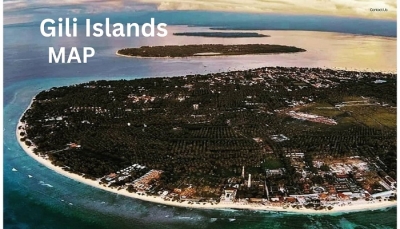
If you are based on Gili Trawangan, Gili Meno, or Gili Air, remember that the nearest immigration office is in Mataram, Lombok.
- Biometrics: Even with a Bridging Visa, you will likely need to visit the Mataram Immigration office for fingerprints and a photo. Schedule this early in the week to avoid Friday afternoon crowds.
- Weather Sensors & Boat Travel: Always check the “BMKG” (Indonesian Weather Bureau) app before traveling to Mataram. High waves can cancel fast boats, potentially making you late for your immigration appointment.
Why the Bridging Visa is a Game Changer for 2026
The “Bridging Visa Indonesia” represents a shift toward a more traveler-friendly bureaucracy. It acknowledges that the modern expat and investor don’t want to waste days in transit just to change a visa status. By keeping you in the country, the government ensures that your spending stays within the local economy—whether that’s booking a villa in Lombok or diving in the Gilis. Have you ever wondered how much more productive your month could be if you didn’t have to fly to Singapore just for a stamp?
Common Pitfalls to Avoid
Never wait until the last 48 hours. The system can be slow during national holidays like Idul Fitri or Galungan. Furthermore, ensure your passport has at least two blank pages; while the visa is electronic, the eventual KITAS or stay permit might still require a physical stamp or a QR code sticker in some regional offices.
Conclusion: Stay Legal, Stay Stress-Free
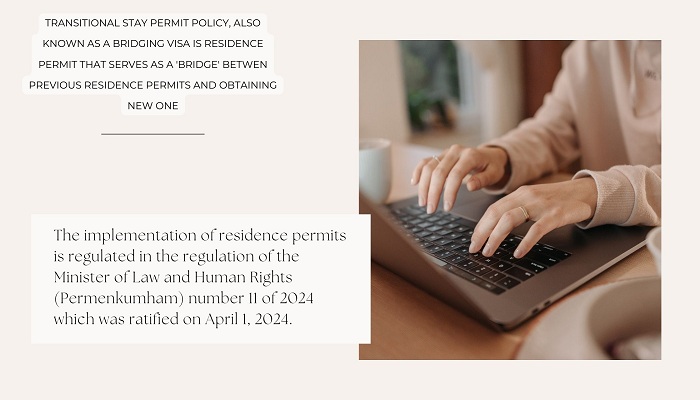
The Indonesian Bridging Visa, or Transitional Stay Permit (valid since April 2024), is a 60-day visa that allows foreign nationals (WNA) already in Indonesia to legally remain while transitioning from one residence permit to a new one (e.g., an ITAS), without having to leave Indonesia.
Key Points of the Indonesian Bridging Visa:
- Function: Bridges the expiration of an existing visa while waiting for a new one, preventing overstaying.
- Validity Period: 60 days (non-extendable).
- Criteria: Applicable only to foreign nationals already in Indonesia (onshore).
- Application: Through the official website evisa.imigrasi.go.id.
- Application Time: No later than 3 days before the expiration of the previous residence permit.
- Fees: Payment of immigration fees is required for the application to be processed.
How to Apply (General Steps):
- Go to imigrasi indonesia, Select the Bridging Visa (Transitional Stay Permit) application while your new visa application (e.g., ITAS) is still being processed.
- Upload the required documents and make payment (no later than 3 days before your old visa expires).
Foreign nationals will not be subject to overstay penalties if the visa is approved after the expiration of their old visa.
This bridging visa is particularly useful for VOA, business visa, or visitor visa holders who wish to change their residence status to a limited stay permit (ITAS) without leaving Indonesia.
Understanding the Bridging Visa Indonesia is no longer optional for those who wish to call this archipelago home for more than a few months. It is the bridge between your current adventure and your future residency. By leveraging the Official service and staying updated with local insights from gilivisa.com, you can navigate the legal waters as easily as a boat crossing from Bangsal to Gili Air.
Have you recently transitioned your visa while staying in Indonesia? Did you find the Molina system easy to use, or did you encounter any unexpected hurdles? We would love to hear about your experience—please share your thoughts or questions in the comments below!




There are no comments yet